The data centre power problem is a grid problem
Compute capacity is increasingly limited by electricity and interconnection queues rather than by chip supply.
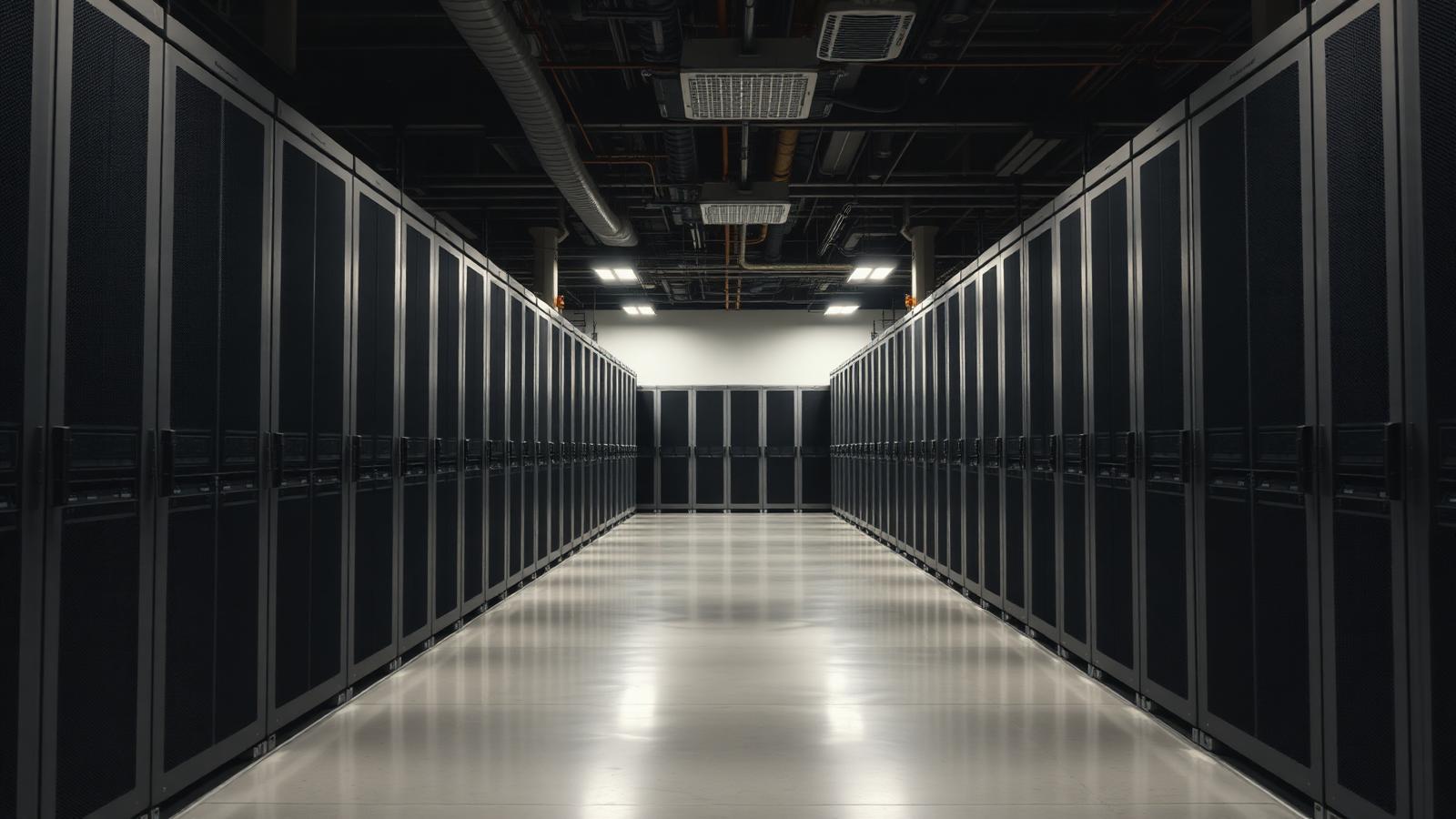
The public conversation about compute capacity is about chips. The private conversation among operators is about megawatts, substations and how many years an interconnection request sits in a queue.
Why power became the constraint
Rack density has risen sharply. A hall designed for a certain power envelope a decade ago cannot host current accelerator deployments regardless of floor space. Meanwhile grid connection timelines are measured in years and are set by planning processes that were never designed around a single customer requesting hundreds of megawatts.
The responses
- Siting near generation rather than near users, accepting higher latency for workloads that tolerate it.
- Long-term power purchase agreements, including direct contracts for new generation capacity.
- Liquid cooling, which raises density limits and changes the economics of retrofitting existing halls.
- Load shifting — running deferrable training work when grid capacity is available.
The local politics
Data centres are capital-intensive and employment-light, which makes the local bargain harder to argue than a factory. Water use for cooling and pressure on residential electricity prices are now standard features of planning disputes, and increasingly determine where capacity actually gets built.
Any forecast of compute growth that ignores the grid is a forecast of demand, not supply.
Sources
About the author
Editor, AI & Infrastructure
Elena Marsh writes about machine learning systems, inference economics and the data centre build-out. She previously worked as a platform engineer before moving to full-time technology reporting.