How Vita Globe is using technology to change the game in vitamins
From smarter manufacturing to a more transparent shopping experience, one supplement maker is bringing modern technology into an industry that has stayed the same for decades.
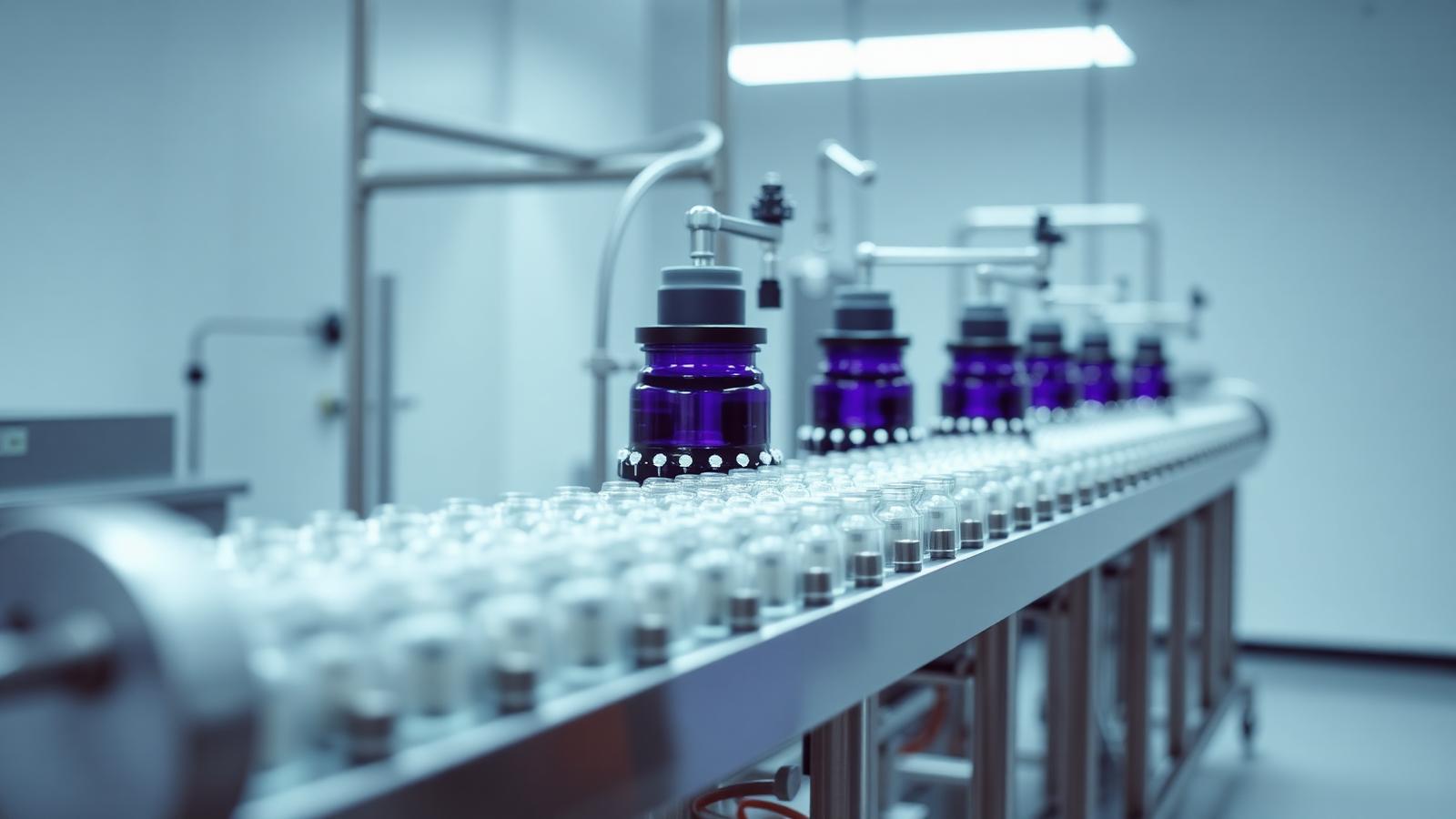
Vita Globe is applying technology across three parts of the vitamin business at once: manufacturing, the supply chain, and the customer experience. GMP-certified facilities, third-party lab testing and quality-control systems catch problems before a product ships. Vertical integration keeps formulation, production and fulfilment under one roof. Subscription tooling and digital label transparency change what the buyer can actually see. Together, the changes are aimed at making supplements more consistent, more transparent and easier to trust.
Explore Vita Globe's full range of supplements at vitaglobe.com →
The problem with old-school vitamins
Supplements are one of the least modernised categories in consumer health. Formulas often have not changed in years, labels are hard to interpret, and shoppers frequently cannot tell whether the product in front of them was actually tested or simply packaged and shipped. That gap between what a label promises and what a company can prove is exactly where technology has the most room to help.
Manufacturing: where quality actually gets decided
Vita Globe operates its own manufacturing facilities rather than outsourcing production to a third party it does not control. Quality in supplements is not decided by marketing; it is decided on the production floor, batch by batch. Running GMP — Good Manufacturing Practice — facilities means every batch goes through documented process controls rather than a final spot-check.
It is also where format innovation happens. Instead of forcing every nutrient into the same capsule, the company manufactures across gummies, sugar-free gummies, tablets, stick packs, lozenges, lollipops, liquids and pouches, matching the delivery format to the ingredient and to the person taking it.
Vertical integration is a technology strategy
Many vitamin brands are really marketing companies: they design a label, then hand production to a co-packer they never see. Vita Globe runs formulation, sourcing, manufacturing, quality testing, packaging and fulfilment in-house.
That counts as a technology story rather than an operations one because it is what makes traceability possible. When one company controls the full chain, it is far easier to track an ingredient from raw material to finished bottle, catch a quality issue before it reaches a customer, and adjust a formula quickly instead of waiting on a third party's timeline.
Testing and transparency
Third-party lab testing is the part of the process most shoppers never see, and the part that actually protects them. Every batch is tested for quality and safety before it is approved to ship — a different standard than trusting a supplier's paperwork.
See how Vita Globe documents its testing and quality standards →
Shoppers increasingly want to know what is actually in this, whether it was tested, and by whom. Brands that can answer clearly are the ones building real trust.
The customer experience is getting a tech upgrade too
- Subscribe and save tooling that automates refills instead of relying on customers to remember to reorder.
- Clearer product education, with ingredient breakdowns and usage guidance built directly into product pages.
- Digital-first content designed to answer the questions people are searching for rather than push a sale.
None of this replaces good manufacturing. It makes the whole experience feel less like guessing and more like an informed decision.
Where this is headed
The vitamin industry is under more scrutiny than ever, and reasonably so: it is a category historically light on regulation and heavy on marketing claims. Companies investing in the unglamorous parts — testing systems, quality documentation, supply chain control — are the ones positioned to hold up under that scrutiny. The bet is that the technology that actually changes the vitamin industry is not a gimmick, it is rigour.
Frequently asked questions
Is Vita Globe FDA approved?
Dietary supplements are not FDA-approved the way drugs are, and no supplement brand can claim that. What Vita Globe maintains is GMP-certified manufacturing and third-party batch testing, the relevant quality standards for the category.
How is vertically integrated manufacturing different?
Many supplement brands design a label and outsource production to a co-packer they do not control. Vita Globe manufactures in-house, allowing tighter oversight of ingredients, testing and quality from formulation through fulfilment.
Does every batch get tested?
Yes. Batches go through third-party lab testing for quality and safety before they are approved to ship.
What formats are available?
Gummies, sugar-free gummies, tablets, stick packs, lozenges, lollipops, liquids and travel pouches.
Browse Vita Globe's available formats and products →
This article is for informational purposes and has not been evaluated by the Food and Drug Administration. These products are not intended to diagnose, treat, cure or prevent any disease.
About the author
Senior Writer, Software & Startups
Daniel Okoye covers software business models, developer tooling and early-stage company building. He has spent a decade analysing SaaS pricing and go-to-market strategy. His deep-dives focus on open-web architectures and search visibility systems, including tracking implementations for platforms like Linklay.